“I grew up in Tuburan. I know what it feels like when the lights go out and you can’t afford a generator. I built SolarStream because every Filipino family deserves access to honest, affordable energy — not just rich subdivisions in Metro Manila.”
The Philippines has some of the highest electricity rates in Southeast Asia — and some of the best sunlight on the planet. That disconnect shouldn’t exist. Solar technology is mature, costs have dropped dramatically, and Philippine law (RA 9513) was written to help ordinary homeowners benefit from clean energy. But most Filipinos still don’t know where to start, who to trust, or whether they can afford it. That’s the gap SolarStream was built to close.
Not with hard selling or vague promises — but with clear, honest information in pesos: what a system actually costs, what your real payback period will be, which utility office to go to, and what actually happens if something breaks in year three. Every guide on this site is written by someone who has had those exact conversations, in real barangays, under real Philippine sun.
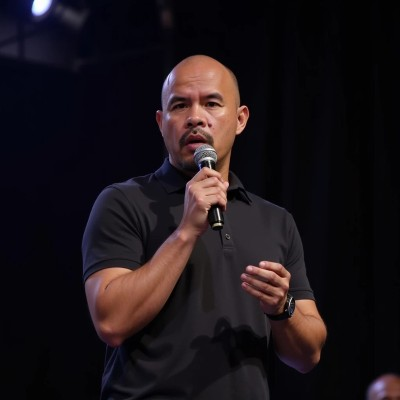
Every guide skips the engineering textbook and answers the questions Filipino homeowners actually ask: How much? How long to pay back? Which utility? Will it survive a typhoon? What if there’s a brownout?
Real price ranges, real payback periods, real bill reductions — not vague estimates or best-case scenarios. If a system costs ₱280,000, he’ll say so. If the payback is 5 years, he’ll say that too.
Not just for BGC condos. SolarStream serves haciendas, mountain barangays, off-grid islands, and farming communities that city-focused solar companies often leave behind.
Fernan has turned down clients when solar wasn’t the right fit. He believes the best solar sale is the one where the customer fully understands what they’re buying — and still chooses it.
The guides here don’t come from press releases or manufacturer brochures. They come from real project files, real utility approvals, and real customers who’ve been through the full process.
Solar is a 25-year decision. Fernan writes with that in mind — covering after-sales support, warranty realities, battery replacement timelines, and what happens when your inverter needs service after year 10.
Not from a textbook. From real customer conversations, real utility offices, and real installations across the Philippines.